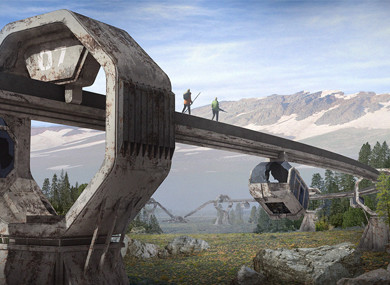
Vanilla 1 was the very first server that was launched in 2014 while the Rust rewrite was still in an early stage of development. With an almost non-existant local Rust community in South Africa and a limited number of servers worldwide, this server quickly became home to a large community of players from all around the world.
The local Rust community has grown a great deal since then, these days the server is used almost exclusively by South African players and has more than 1500 active players every month.
Vanilla Server
Vanilla (adjective) means "having no special or extra features; ordinary or standard". This means there are absolutely no changes to gameplay, which allows players to experience the game in the way that it was intended to be played.
Procedural Map
The map is procedurally generated using one of billions of possible seeds for the chosen map size. A new seed is chosen every time the map is wiped which gives players a new unique experience.
Address
Branch
Tags
Wipe cycle
Last wiped
View map
Last restart
Normal Rust servers
Normal servers provide standard vanilla gameplay which is the same as any other normal server. If you have never heard of a vanilla server before, vanilla (adjective) means "having no special or extra features; ordinary or standard".
All servers found in the Official and Community lists of the Rust server browser are vanilla and have no changes to gameplay. This allows players to experience the game in the way that it was intended to be played.
Lightly modded servers
Lightly modded servers have various enhancements which do not change gameplay all that much. All features aim to enhance the near-vanilla experience, so there will never be any exploitable or game breaking changes.
Heavily modded servers
Heavily modded servers are over the top with many different major modifications. They provide very fast and easy gameplay which requires very little time investment.
Certain features may be exploitable or game breaking for a number of reasons, and this may impact your gameplay experience. You will need to decide for yourself if the speed and ease of gameplay outweighs the disadvantages introduced by features such as teleportation and removal tools.
Small map servers
Small map servers use a tiny procedurally generated map, inspired by the official Small servers that are hosted by Facepunch.
The tiny map provides a somewhat different gameplay experience to normal size map servers, since with a fair number of players resources are far more contended, making everything far more valuable.
Barren map servers
Barren maps are the same as normal procedurally generated maps but have a many elements stripped out to increase performance for players who have low end hardware. These maps do not have grass, bushes, rock decor and other kinds of visual clutter.
While these maps look a lot worse visually and somewhat different gameplay due to greatly reduced cover, the trade off is worth it for players who have hardware which simply cannot provide a decent experience on standard maps. Some players even prefer playing without bushes and other clutter.
Procedural map servers
Procedurally generated maps are created using one of billions of possible seeds for the chosen map size. Possible map sizes range from 2000 (4km²) to 5000 (25km²).
A new seed is chosen every time the map is wiped which gives players a new unique experience.
The first update of every month includes a procedural generation update which makes all seeds look different. Some months only contain minor tweaks to the procedural generation, while other times there are major changes that completely change the layout and appearance of all maps.
Custom map servers
Custom maps vary from completely new maps with unique monuments, spawning, roads and completely different map shapes and sizes, to slightly modified procedurally generated maps that have small changes like a few more islands or smaller mountains.
Public branch servers
Public branch servers are always running the latest official release build. The public branch is called "NONE" in Steam BETAS.
Updates are released every Thursday sometime between 9pm and 1am GMT+2. Hotfix updates to address issues are sometimes released on a Friday or at random other times in certain cases.
Players get a few minutes warning before a server shuts down to update. The warning will tell you if you are required to restart your game to download a client-side update, and in most cases the server will be back online before you have installed the update.
Staging branch servers
Staging branch servers are always running the latest official staging build. The staging branch is called "Rust - Staging Branch" in Steam Library Games.
This branch is for testing features before their release with the monthly update, but not all features make it to the monthly update.
This branch is unstable with bugs and crashes which is why staging servers are usually only online a week before the month patch when new features are more polished.
Players get a warning a minute before a server shuts down to update. The warning will tell you if you are required to restart your game to download a client-side update, and in most cases the server will be back online before you have installed the update.
Map wipe cycles
Some servers wipe weekly, others every second week and some only when forced to once per month. You can find the wipe cycle information for a specific server on the website or in the server description using the in-game server browser. The last map wipe date can be found on the website and at the end of the server name in the server browser.
The first wipe of each month is forced by the Rust terrain update which is released between 6pm and 1am GMT+2. Mid-month wipes are done on a Thursday between 4 and 6pm GMT+2 as that is the most convenient time for the majority of regular players.
Last map wipe
You can find the wipe cycle information for a specific server on the website or in the server description using the in-game server browser. The last map wipe date can be found on the website and at the end of the server name in the server browser.
Server restarts
Servers are restarted at times for various reasons, including to deploy updates, fixes and to preserve performance. High population servers are restarted daily to clear memory leaks and ensure best possible performance.
A restart countdown with a warning which includes the estimated downtime is displayed at the top center of your screen before a scheduled restart. Downtime will usually be between 30 seconds and 4 minutes depending on the server, map, world size, average population and how far into the wipe the server is.